Boost E-commerce Sales with Trust

In a world where online shoppers are increasingly cautious, the right trust signals can be the difference between a sale and a lost opportunity. Understanding their importance is crucial for any e-commerce platform seeking to cultivate customer confidence.
What You Will Learn
- Recognize the two main categories of trust signals: external and internal.
- Understand how trust signals alleviate buyer hesitation and enhance conversion rates.
- Discover the psychological factors that influence consumer trust and decision-making.
- Learn about various types of trust signals, including customer reviews and security badges.
- Identify strategies to effectively implement and measure the success of these trust signals in your e-commerce strategy.
Key Trust Signals in E-commerce
There are two main categories of trust signals essential for building consumer confidence:
External Trust Signals
- Customer Reviews
- Ratings & Endorsements
- Social Proof (e.g., "X people bought this")
Internal Trust Signals
- Clear Return Policies
- Privacy Assurances
- Secure Payment Gateways
Understanding Trust Signals and Their Role in E-commerce
In the fast-paced world of e-commerce, trust signals are crucial for converting casual visitors into loyal customers. But what exactly are trust signals? These are elements on your website that help convey reliability and credibility to your visitors. Think of things like customer reviews, security badges, and transparent policies—each plays a vital role in reducing buyer hesitation and fostering confidence in your brand.
As I’ve observed through my work at Confident Commerce, the more trust signals you incorporate into your online store, the more likely you are to engage and convert your audience. This is because consumers today are more cautious than ever, often researching thoroughly before making a purchase. Having effective trust signals helps to alleviate those concerns and encourages shoppers to complete their transactions.
What Are Trust Signals and Why Are They Important?
Trust signals, at their core, are indicators that reassure customers about the safety and reliability of a shopping experience. They can be divided into two main categories:
- External Trust Signals: These include customer reviews, ratings, and endorsements from trusted entities.
- Internal Trust Signals: These are elements like clear return policies, privacy assurances, and secure payment gateways.
Integrating these signals into your e-commerce strategy is essential because they significantly influence consumer decisions. When potential buyers see recognizable trust signals, they are more likely to feel secure about their purchase, thus increasing conversion rates.
The Psychological Factors Behind Consumer Trust
Understanding the psychology behind consumer behavior can offer critical insights into how trust signals work. Many shoppers experience what’s called “analysis paralysis,” where they feel overwhelmed by options and unsure about which choice is best. Trust signals can help break this cycle by providing clarity and reassurance.
For instance, when customers read positive reviews or see that others have purchased the same product, it creates a sense of community and social proof. It's fascinating how just a few well-placed trust signals can significantly reduce anxiety and encourage buyers to proceed with their purchase.
Exploring Different Types of Trust Signals
As we dive deeper, let's explore the various types of trust signals available. Each type serves a unique purpose in building consumer confidence:
- Customer Reviews: Social Proof That Works
- Security Badges: Enhancing Perceived Safety
- Brand Transparency: Building Credibility Through Openness
- Case Studies: Successful Implementation of Trust Signals by E-commerce Platforms
- Understanding Trust Metrics: Measuring Trustworthiness in E-commerce
By incorporating these different types of trust signals into your online store, you're not only improving shopper confidence but also paving the way for higher sales and customer loyalty.
Pro Tip
To maximize the effectiveness of your trust signals, consider A/B testing different placements and designs. For instance, try placing customer reviews above the product description or using larger security badges at checkout. This way, you can identify which configurations resonate best with your audience and lead to higher conversion rates.
Frequently Asked Questions About E-commerce Trust Signals
- What are e-commerce trust signals?
- E-commerce trust signals are elements on a website that convey reliability and credibility to visitors, helping to reduce buyer hesitation and foster confidence in a brand. Examples include customer reviews, security badges, and clear return policies.
- Why are trust signals important for online stores?
- Trust signals are crucial because they alleviate customer concerns, especially given the caution online shoppers exercise. By reassuring potential buyers about the safety and reliability of their purchase, trust signals significantly increase conversion rates and build customer loyalty.
- What are the two main categories of trust signals?
- The two main categories are External Trust Signals (e.g., customer reviews, ratings, endorsements, social proof) and Internal Trust Signals (e.g., clear return policies, privacy assurances, secure payment gateways).
- How do trust signals impact consumer psychology?
- Trust signals help overcome "analysis paralysis" by providing clarity and reassurance. Seeing positive reviews or social proof creates a sense of community and reduces anxiety, encouraging customers to proceed with their purchase.
- How can online retailers measure the effectiveness of trust signals?
- Retailers can use data and analytics to track the impact of trust signals on conversion rates, bounce rates, and customer feedback. A/B testing different placements and designs can also help identify which configurations resonate best with the audience.
Summarizing the Power of Trust Signals in E-commerce
As we wrap up our exploration of trust signals, it's clear they play a vital role in shaping the online shopping experience. Trust signals are not just optional add-ons—they're essential tools for any retailer looking to enhance consumer confidence. When effectively implemented, these signals can significantly improve conversion rates by transforming hesitant shoppers into satisfied customers.
In my work with Confident Commerce, I’ve witnessed firsthand how the right trust signals can make a world of difference. By addressing common buyer hesitations, we empower online retailers to cultivate an environment of trust, ultimately leading to increased sales and customer loyalty.
Key Takeaways for Online Retailers
- Understand the different types of trust signals, such as customer reviews and security badges.
- Implement strategic placement and design of these signals to maximize visibility and impact.
- Utilize data and analytics to measure the effectiveness of your trust signals.
- Balance the quantity of signals with their quality to avoid overwhelming potential buyers.
- Be transparent and authentic in your communications to foster long-term relationships with customers.
By keeping these takeaways in mind, online retailers can create a more inviting shopping experience that encourages trust and, ultimately, conversions. Remember, it’s not just about having trust signals—it's about using them wisely!
Encouraging Action: Boost Your E-commerce Conversion Rates
Next Steps for Implementing Trust Signals on Your Site
Ready to take action? Start by assessing the current trust signals on your site. Ask yourself, "Are they effectively conveying trust to my shoppers?" Consider these next steps:
- Identify key areas on your website where trust signals can be added or enhanced.
- Gather customer feedback to understand which trust signals matter most to your audience.
- Set up A/B tests to evaluate the effectiveness of different trust signals.
- Regularly review and update your trust signals based on performance metrics.
Taking these steps will help you create a more trustworthy e-commerce environment, which can lead to higher conversion rates and customer satisfaction.
Join the Discussion: Share Your Experiences with Trust Signals
Have you implemented trust signals on your site? I want to hear from you! Share your experiences and insights in the comments below. What worked for you? What challenges did you face? Let’s learn from each other’s journeys to build a stronger, more trustworthy e-commerce landscape together!
Recap of Key Points
Here is a quick recap of the important points discussed in the article:
- Trust signals are essential for converting visitors into customers by conveying reliability and credibility.
- There are two main categories of trust signals: external (customer reviews, endorsements) and internal (return policies, secure payments).
- Effective placement and design of trust signals can significantly enhance consumer confidence and increase conversion rates.
- Utilizing analytics to measure the effectiveness of trust signals helps optimize their impact.
- Transparency and authenticity in communication foster long-term relationships with customers.

Liam Kensington
Liam Kensington is a seasoned e-commerce strategist and digital marketing expert with a passion for enhancing online shopping experiences. With years of experience leveraging data-driven insights and innovative technologies, Liam specializes in helping retailers build trust and boost conversions through effective optimization techniques. His expertise lies in buyer psychology, conversion rate strategies, and AI personalization, making him a leading voice in the realm of e-commerce. Confident Commerce, Liam's AI-powered e-commerce optimization platform, is dedicated to transforming shopper hesitation into sales, empowering online retailers to enhance buyer confidence and increase conversion rates. Through innovative design and a commitment to transparency, Confident Commerce ensures every consumer feels confident in their purchasing decisions, turning browsers into buyers.
Popular Posts
Buyer Psychology and E-Commerce Trust
![How Buyer Psychology Influences Trust and Conversion Rates in E-Commerce: Strategies to Reduce Purchase Hesitation]() What if you could tap into the hidden triggers that influence your customers' purchasing decisions?
What if you could tap into the hidden triggers that influence your customers' purchasing decisions?
 What if you could tap into the hidden triggers that influence your customers' purchasing decisions?
Boost E-commerce Sales with Trust
![How to Use Trust Signals to Maximize E-commerce Conversion Rates: A Data-Driven Guide for Online Retailers]() In a world where online shoppers are increasingly cautious, the right trust signals can be the diffe
In a world where online shoppers are increasingly cautious, the right trust signals can be the diffe
 In a world where online shoppers are increasingly cautious, the right trust signals can be the diffe
Trust Signals and Buyer Choices
![How Trust Signals Influence Buyer Psychology and Boost E-commerce Conversions]() As the online shopping landscape evolves, understanding what inspires trust in consumers becomes cru
As the online shopping landscape evolves, understanding what inspires trust in consumers becomes cru
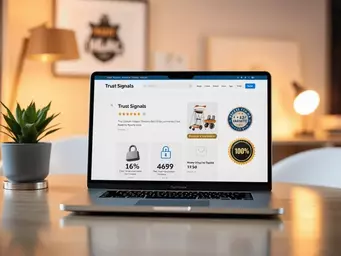 As the online shopping landscape evolves, understanding what inspires trust in consumers becomes cru
AI Personalization in E-Commerce Journeys
![How AI Personalization Transforms E-Commerce Customer Journeys to Boost Conversion Rates]() In the competitive landscape of e-commerce, understanding your customer's unique needs is more vital
In the competitive landscape of e-commerce, understanding your customer's unique needs is more vital
 In the competitive landscape of e-commerce, understanding your customer's unique needs is more vital
