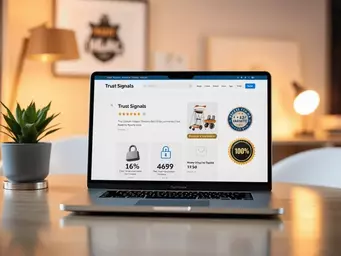
What if you could tap into the hidden triggers that influence your customers' purchasing decisions? Understanding buyer psychology could be the game-changer your e-commerce strategy needs.
What You Will Learn
Buyer psychology helps identify pain points and hesitation in the shopping process, enhancing customer experience.
Using social proof, such as customer reviews, significantly boosts buyer confidence and trust.
Emotional triggers, like the fear of missing out (FOMO) and a sense of belonging, can drive purchasing decisions.
Transparent communication builds credibility and fosters long-term relationships with customers.
Incorporating customer testimonials and trust badges is essential for creating a safe and reassuring shopping environment.
Buyer Psychology: Key Triggers & Actionable Steps
This visual summarizes the crucial psychological triggers influencing trust and actionable strategies for e-commerce success, as highlighted in the article.
Key Psychological Triggers
•Social Proof: Customer reviews & testimonials.
•Reciprocity: Free shipping, discounts, value offers.
Understanding the Impact of Buyer Psychology on E-Commerce
In the bustling world of e-commerce, understanding buyer psychology can be the key to unlocking sales potential. But what exactly is buyer psychology, and why should it matter to you as an online retailer? Well, at Confident Commerce, we've seen firsthand how recognizing the psychological triggers that influence purchasing decisions can transform hesitation into sales. It’s not just about selling a product; it’s about connecting with your customers on a deeper level.
Buyer psychology refers to the study of how consumer thoughts, feelings, and perceptions affect their purchasing behavior. It matters because recognizing these patterns allows retailers to create an engaging shopping experience that not only attracts customers but also keeps them coming back. By tapping into the intricacies of how people think and feel when they shop online, we can tailor our strategies to enhance trust and increase conversion rates.
What is Buyer Psychology and Why Does it Matter?
Buyer psychology encompasses various factors that influence consumer choices, such as emotions, beliefs, and social influences. Understanding these aspects helps retailers like us at Confident Commerce design experiences that resonate with shoppers and encourage them to complete their purchases. Here are some key reasons why buyer psychology is crucial:
Helps identify pain points and uncertainty factors in the buying process.
Enables the creation of targeted marketing strategies that speak directly to consumers' needs.
Increases the effectiveness of trust-building tools, enhancing customer confidence.
By leveraging insights into buyer psychology, we can create a more compelling shopping experience that resonates with consumers and addresses their concerns, ultimately leading to higher conversion rates.
Key Psychological Triggers That Influence Trust
Building trust online is essential, especially since many shoppers are cautious about making purchases. There are several psychological triggers that can significantly affect how consumers perceive your brand:
Social Proof: Seeing others positively review a product or service can reassure potential buyers.
Reciprocity: Offering something of value, like free shipping or discounts, can create a sense of obligation to purchase.
Scarcity: Limited-time offers or showing that stock is running low can prompt quicker purchasing decisions.
By integrating these triggers into your e-commerce strategy, you can foster a sense of trust and urgency, encouraging shoppers to feel more confident in their choices.
Emotional Triggers in Consumer Decision-Making
Emotions play a vital role in consumer decision-making. Many purchases are driven by feelings rather than logic. At Confident Commerce, we understand the importance of tapping into these emotional triggers to boost conversion rates. Here are some of the most impactful emotional triggers:
Fear of Missing Out (FOMO): Highlighting exclusivity can drive urgency.
Belonging: Consumers want to feel part of a community. Building a brand that reflects shared values can enhance loyalty.
Admiration: Showcasing aspirational lifestyles can motivate consumers to make purchases that align with their desires.
Understanding and leveraging these emotional triggers can help you cultivate a deeper connection with your customers, making them feel understood and valued, which is crucial for building long-term relationships and trust.
Pro Tip
To truly connect with your audience, consider implementing user-generated content (UGC) on your e-commerce platform. Encourage customers to share photos or videos of their purchases on social media, and feature this content on your site. Not only does this build trust through authentic social proof, but it also fosters a sense of community around your brand, making shoppers feel more connected and valued.
Summarizing Insights on Buyer Psychology and E-Commerce
Understanding buyer psychology is critical for any e-commerce business aiming to thrive in today's competitive landscape. By recognizing how consumers think and feel during their shopping journey, we can enhance their experience and boost conversion rates. Here are some key takeaways that can significantly impact your e-commerce success:
Trust is the cornerstone of online shopping; addressing hesitation points can lead to higher conversions.
Implementing social proof, like customer reviews, can greatly enhance buyer confidence.
Transparent communication helps establish credibility and fosters long-term relationships.
By integrating these insights into your strategy, you can create a more compelling shopping experience that resonates with consumers and encourages them to take action.
Actionable Steps to Implement Trust-Building Strategies
Now that we’ve outlined some essential insights, let’s explore actionable steps to implement effective trust-building strategies in your e-commerce business. Here are three concrete actions you can take:
Incorporate customer testimonials prominently on product pages to showcase satisfaction.
Utilize trust badges and secure payment icons to reassure customers of their safety.
Craft clear and concise FAQs that address common consumer concerns, enhancing transparency.
By focusing on these areas, you can create an environment where shoppers feel safe, valued, and confident in their purchasing decisions. This is a game changer for boosting conversion rates!
Leveraging Consumer Behavior Insights for Better Marketing
Using insights from consumer behavior can transform your marketing strategy into a powerhouse of engagement and conversion. Here are some effective ways to leverage these insights:
Analyze shopping patterns to tailor your marketing messages, making them more relevant and timely.
Incorporate personalized recommendations based on previous purchases or browsing history.
Utilize retargeting campaigns to remind potential buyers of items they showed interest in.
By harnessing these behavioral insights, your marketing can not only resonate more with your audience but also drive higher conversion rates as shoppers see the value in your offerings.
Engaging with Your Audience: Next Steps for Improvement
Engagement is crucial for fostering a loyal customer base. At Confident Commerce, we believe that inviting participation and feedback can lead to continuous improvement and growth. Here’s how we can enhance our connection with customers:
Frequently Asked Questions (FAQs)
What is buyer psychology?
Buyer psychology is the study of how consumer thoughts, feelings, and perceptions influence their purchasing behavior. Understanding it helps retailers create engaging shopping experiences that attract customers and build loyalty.
Why is buyer psychology important for e-commerce?
It's crucial because it helps identify customer pain points, allows for the creation of targeted marketing strategies, and enhances trust, ultimately leading to higher conversion rates and repeat business.
What are some key psychological triggers that influence trust?
Key triggers include social proof (customer reviews), reciprocity (offering value like free shipping), and scarcity (limited-time offers or low stock alerts).
How can emotional triggers be used in e-commerce?
Emotional triggers like Fear of Missing Out (FOMO) can create urgency, while fostering a sense of belonging or showcasing aspirational lifestyles can enhance loyalty and motivate purchases.
What are actionable steps to build trust with online shoppers?
Actionable steps include prominently displaying customer testimonials, using trust badges and secure payment icons, and providing clear and concise FAQs to address common concerns.
Encouraging Feedback and Continuous Learning
Feedback is a gift! Encouraging customers to share their thoughts on their shopping experience can provide invaluable insights. Here are some ways to do this effectively:
Send post-purchase emails asking for reviews and suggestions.
Engage on social media to create a dialogue and encourage discussions.
Offer incentives for feedback, such as discounts on future purchases.
By actively seeking input, we show customers that their opinions matter, which can significantly enhance trust and loyalty.
Inviting Readers to Share Their Experiences and Strategies
We love hearing from our audience! Inviting readers to share their own experiences can not only foster community but also provide fresh perspectives. Here are a few ways to encourage sharing:
Host discussions on social media platforms where customers can exchange tips.
Create a blog section dedicated to customer stories and success.
Utilize polls or surveys to gather insights on what strategies worked for them.
Such interactions not only strengthen relationships but can also inspire others to engage, building a network of trust and support.
Building Brand Loyalty Through Customer Engagement
Ultimately, fostering engagement leads to brand loyalty. As we nurture our customer relationships, we must focus on creating memorable experiences. Here are effective strategies to enhance loyalty:
Personalize communication to make customers feel recognized and valued.
Develop loyalty programs that reward repeat purchases and engagement.
Share behind-the-scenes content to create a deeper connection with your brand.
By implementing these strategies, we can turn first-time shoppers into lifelong customers. This is where true growth happens, and I can’t wait to see how it transforms your e-commerce journey!
Recap of Key Points
Here is a quick recap of the important points discussed in the article:
Understanding buyer psychology is essential for enhancing the e-commerce shopping experience and boosting conversion rates.
Key psychological triggers, such as social proof and scarcity, can significantly influence trust and purchasing decisions.
Emotional triggers like FOMO (Fear of Missing Out) and a sense of belonging can drive urgency and loyalty among consumers.
Implementing actionable trust-building strategies, such as customer testimonials and transparent communication, enhances credibility.
Leveraging insights from consumer behavior can refine marketing strategies, making them more relevant and effective.
Liam Kensington
Liam Kensington is a seasoned e-commerce strategist and digital marketing expert with a passion for enhancing online shopping experiences. With years of experience leveraging data-driven insights and innovative technologies, Liam specializes in helping retailers build trust and boost conversions through effective optimization techniques. His expertise lies in buyer psychology, conversion rate strategies, and AI personalization, making him a leading voice in the realm of e-commerce. Confident Commerce, Liam's AI-powered e-commerce optimization platform, is dedicated to transforming shopper hesitation into sales, empowering online retailers to enhance buyer confidence and increase conversion rates. Through innovative design and a commitment to transparency, Confident Commerce ensures every consumer feels confident in their purchasing decisions, turning browsers into buyers.
Confident Commerce is dedicated to transforming shopper hesitation into sales. Our mission is to empower online retailers with AI-driven insights and strategies to build trust and boost conversion rates, making every purchase a confident decision.